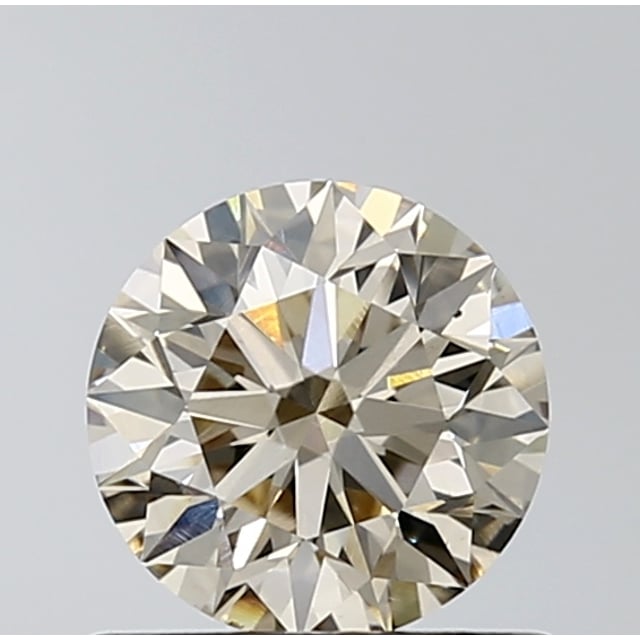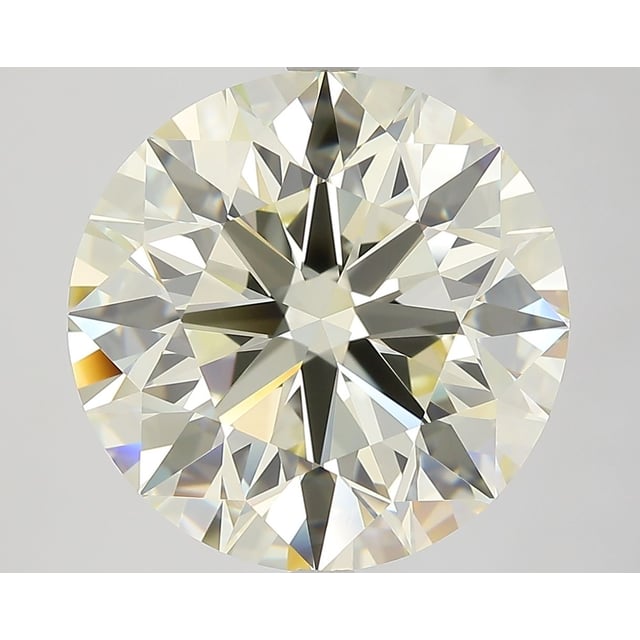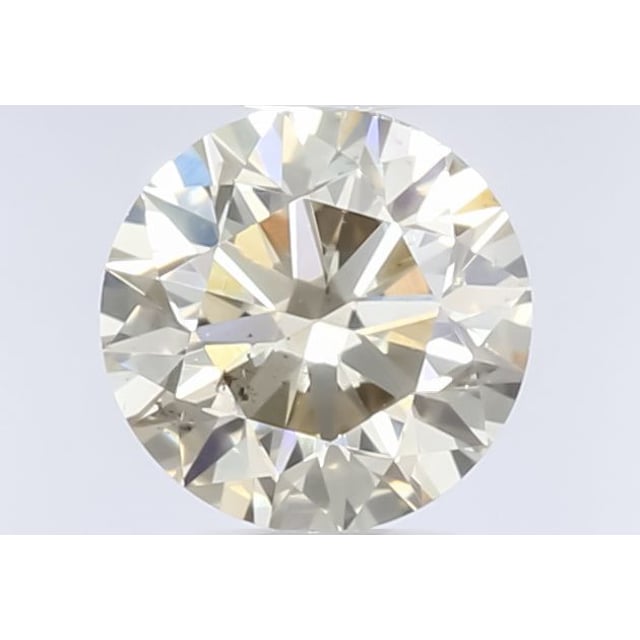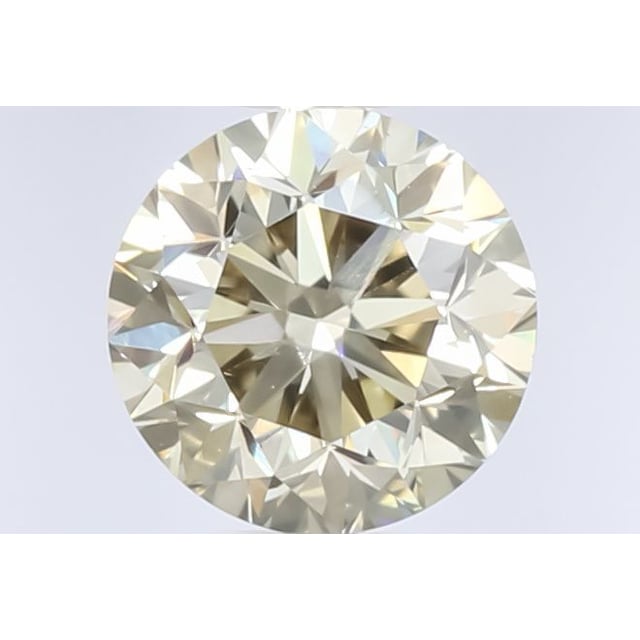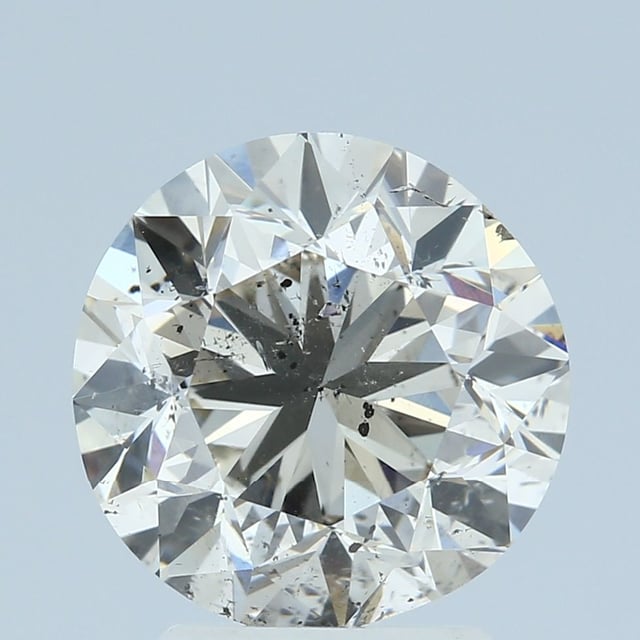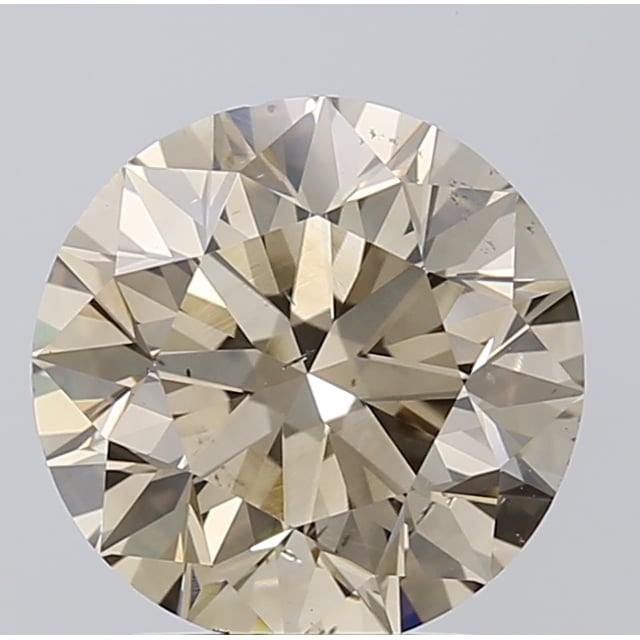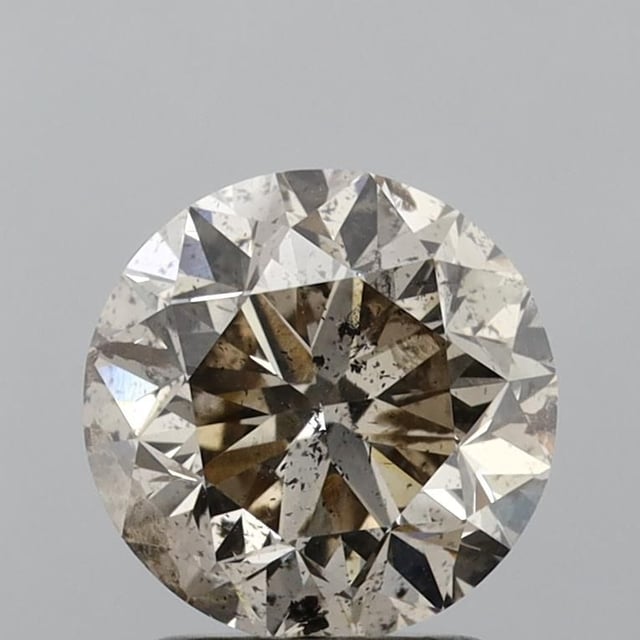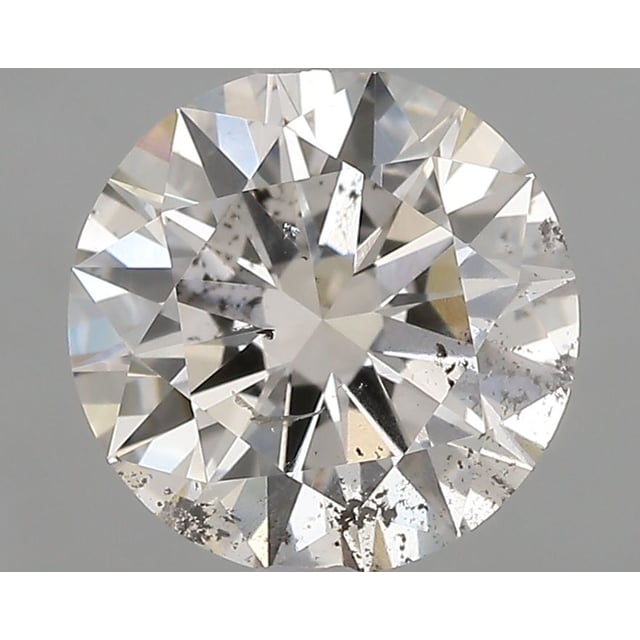
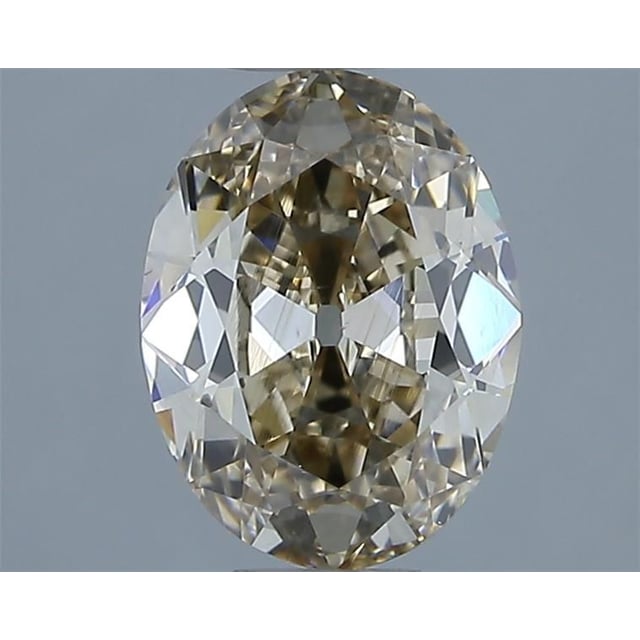
The setting will change how warm a champagne diamond looks more than the color grade will. Metal color, the presence or absence of white melee beside the stone, and how much of the girdle is covered all move the apparent color further than stepping a letter up the scale does — which is worth knowing before you spend the difference between a K and a J.
Most of the stones this applies to are natural diamonds whose GIA color grade carries a brown notation — most often Faint Brown, sometimes Very Light Brown — beside an ordinary letter grade; what faint brown means covers the notation itself. The index is no longer confined to that D-to-Z scale: 2,421 of its stones carry a color grade with a brown notation and 401 are graded on the fancy-color scale, where brown is the dominant color and no letter is given, a split that champagne vs fancy brown sets out in full.
Two rules cover most decisions. Warm metals sit close to the stone's own hue and let the tint read as intentional; white metals put a cool reference point right against the stone and make the warmth conspicuous. Neither is wrong. The question is whether you want the color to be the point of the ring or something the eye passes over.
Champ. Diamonds sells nothing. It is an independent index of 2,822 verified brown diamonds listed across nine retailers — Aurélinne, Blue Nile, Brilliance, Brilliant Earth, Leibish, Luvansh, Rare Carat, Ritani and With Clarity — and every stone links out to the retailer holding it. What follows is setting advice plus the real price spread from that inventory. If you would rather compare finished rings, the rings section gathers champagne diamond engagement rings from independent jewelers, with the setting, band and listed price side by side.
What the metal does to the color
Yellow and rose gold
A warm shank and warm prongs bounce warm light back into the pavilion. The stone and the metal share a hue family, so there is no visual seam where one ends and the other begins, and the eye stops reading the tint as a departure from colorless. Rose gold pushes this furthest — its pink cast flatters the faint-to-very-light brown range in particular — while yellow gold is the more neutral of the two and works across the letter range.
The practical consequence is that a warm setting lets you go further down the color scale without the ring looking like a compromise. On the lettered stones, K is the most common grade, ahead of L, then M, then N. An N in platinum announces itself. The same N in rose gold usually just reads warm.
White gold and platinum
White metal is contrast. Set a champagne stone in platinum and the metal becomes the whitest thing in the field of view, which makes the diamond the warmest. Some people want exactly that: a deliberate, visible color rather than a near-colorless stone that costs more. If that is the intent, white metal is the right call and the warmth becomes a feature.
If it is not the intent, a common compromise is a white metal head on a yellow or rose gold shank. The prongs disappear against the crown facets, the warm shank carries the rest of the ring, and the contrast is confined to a few millimeters of metal that barely touch the stone.
Halos make the center read warmer
A halo of white melee is the single most reliable way to make a champagne center stone look browner than it does loose. Accent diamonds are usually chosen near-colorless, and they sit directly against the girdle with nothing between them and the center. That is a side-by-side comparison at arm's length, held permanently, and the eye is very good at side-by-side comparisons even when it is poor at absolute color.
It is one reason a champagne diamond engagement ring can read browner on the hand than the loose stone did in its listing photograph. This is worth knowing rather than avoiding. If you want the color emphasized, a white halo does it more cheaply and more visibly than dropping two letter grades. If you do not, the alternatives are a halo in warm-toned melee, a yellow or rose gold halo with the melee set in matching metal, or no halo at all. The same logic applies to pavé shanks and to three-stone rings with colorless side stones: any near-colorless diamond within a few millimeters of the center works as a reference point against it.
Bezels and solitaires for an even look
A bezel wraps the girdle in a continuous band of metal. In yellow or rose gold that band feeds warm reflection into the stone from every direction at once, which evens out the color — champagne diamonds can otherwise show more tint through the pavilion than through the table, and a bezel narrows that difference. A white gold or platinum bezel does the reverse, outlining the stone in bright metal, though the effect is milder than a halo because there are no faceted white stones to compare against.
A plain solitaire is the other clean option. Four or six prongs leave the girdle open, so the stone is judged against skin and background rather than against any reference diamond, and warm tints tend to be forgiving in that condition. Prong metal matters less than shank metal here simply because there is less of it.
Shape interacts with all of this. Step cuts hold color in broad flashes rather than scattering it, so an emerald cut or Asscher shows its tint more openly than a brilliant of the same grade; brilliant faceting in the round and oval shapes breaks the color up. There is more on that trade-off in the guide to the best shapes for champagne diamonds.
Carat and budget
Carat drives the price far more than anything else in this inventory. The medians below are for the stone only — a setting is priced separately by whoever builds the ring.
On the 17 October 2026 build:
| Carat band | Stones | Median price |
|---|---|---|
| under 0.50 ct | 372 | $290 |
| 0.50-0.99 ct | 844 | $720 |
| 1.00-1.49 ct | 742 | $1,664 |
| 1.50-1.99 ct | 425 | $3,136 |
| 2.00-2.99 ct | 258 | $6,865 |
| 3 ct and over | 165 | $21,470 |
Two things stand out. First, the jump at one carat is steep: the median price more than doubles from the 0.50-0.99 band to the 1.00-1.49 band. Buying at 0.90 ct instead of 1.00 ct is the oldest way to save money on a diamond and it still works — see the 1 carat listings against the band below it. Second, the 1.00-1.49 ct band is the deepest of the bands at one carat and over, at 742 stones — only the 0.50-0.99 ct band, with 844, holds more.
Shape shifts the figure again. Rounds are both the most common and the least expensive per stone — 1,452 of them at a median of $1,069 — while emerald cuts run to a median of $2,395, princess cuts to $2,591 and asscher to $2,602. After round, the deepest shapes on the index are pear at 358 stones, oval at 334 and cushion at 183.
The brown notation itself is where part of the discount comes from, and it is the narrower of the two savings figures on this site. The notation discount compares lettered brown stones against non-brown stones of the same letter and the same carat band — a comparison that can only be made on the white-scale side of the index, since fancy-color stones carry no letter — and across the 11 matched cells of the 2 September 2026 study the difference ranged from -14% to 31%, with a median of 20%. The larger figure, the champagne discount struck through on each card, compares a stone with a similar near-colorless G–H diamond at the lower quartile of current listings: a median 44% among stones with a saving. Both are set out in the prices guide.
Reading the report before you commit
On a lettered stone the brown notation is not a separate grade. It is an addition to the color line of the GIA report, which still carries a letter. Faint Brown is by far the most common of the three notations in use here, ahead of Very Light Brown and then Light Brown, which is why so many of these stones look simply warm rather than obviously brown in the hand.
Every listing on the index is matched to its GIA report number, and stones that appear at more than one retailer are collapsed into a single entry so the same diamond does not show up three times at three prices. The verification method explains what is checked and what is not.