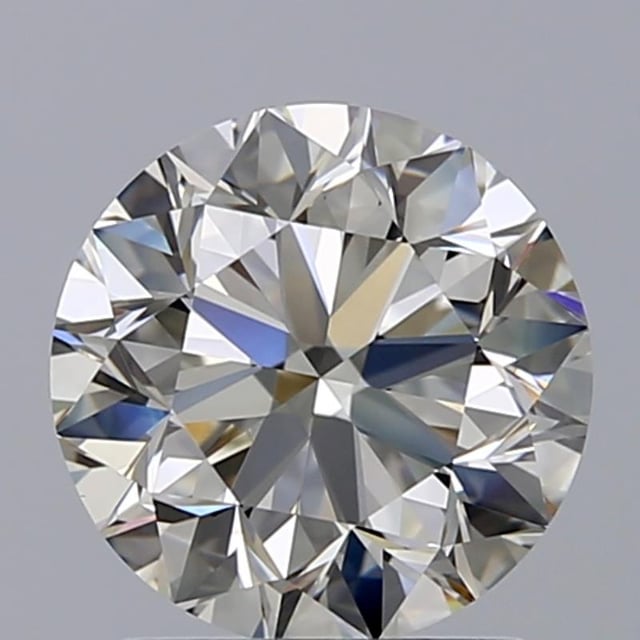
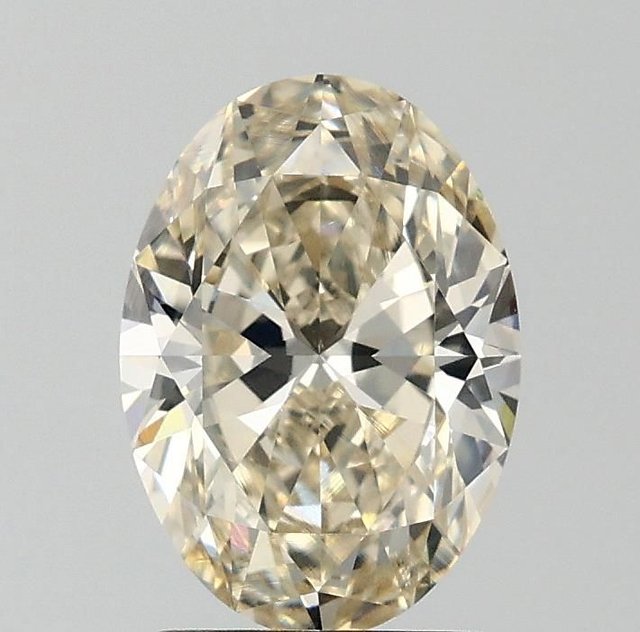
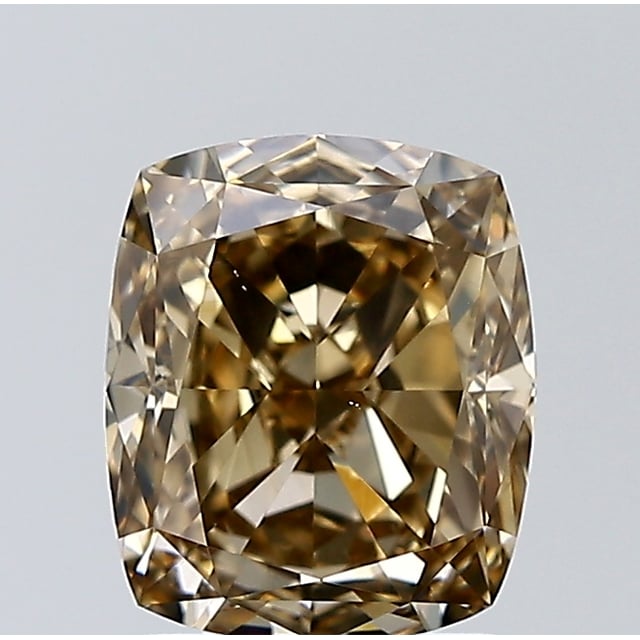
De Beers' warm-tone campaign has a second act, and it opens this month. In a release issued from the JCK Las Vegas show at the end of May, the company announced Desert diamonds Icons, a September push built around four designs it says account for 70% of diamond jewellery purchases: stud earrings, the eternity band, the tennis bracelet and the halo pendant. De Beers describes the budget as the largest for natural diamond marketing in fifteen years, and the programme comes with training and marketing material for any retailer that signs up.
The release also contains the first figure De Beers has published for the stones this site indexes. Natural diamond sales at US independent jewellers rose 4% in the last quarter of 2025 and 9% in the first quarter of 2026, it says, and sales of stones in the K to Z color range rose faster: 15%, then 19%. Chief executive Al Cook is quoted asking the trade to "work together as an industry in support of Desert diamonds".
We wrote on 4 September that a year of this campaign had changed the name of these stones rather than their price. The new number is worth a separate look, because it is the first one aimed squarely at the letters on our own price list.
What the 19% measures
Three things about the figure, none of them criticisms.
It is a sales figure, reported by De Beers from participating US independents, for a color band that runs from K all the way to Z. Most of that band is not brown: it includes faint and light yellow stones, and plenty of untinted K and L material. So it is evidence that the warm end of the scale is selling, not that brown stones specifically are.
It measures growth in sales, not movement in price. A category can sell 19% more units at the same asking prices, and often does when a campaign sends people into shops looking for it.
And it comes from the party running the campaign. That does not make it wrong. Retail Jeweller India carried the same figures on 1 June without further comment, and no independent series for K-to-Z sales exists to check them against. It does mean the number should be read as a promotional result, which is what the release presents it as.
What the listings say today
Our index does not measure how many stones sell. It measures what verified brown stones are listed for, across nine retailers, against similar near-colourless stones of the same shape, clarity and size. How that comparison is built is documented on its own page.
As of this morning it holds 2,806 natural diamonds whose GIA reports carry a brown grade. On the white scale, 1,324 are K colour, 637 are L, 274 are M and 99 are N; a further 282 are graded Fancy Brown and 52 Fancy Light Brown, with no letter at all.
The discount is not thin. Among stones listed below their near-colourless match, the median K stone is 42% below it. L, M and N stones sit at 48–49% below. The Fancy Brown stones, which the campaign's "desert" palette most resembles, are 56% below. Stones with no cheaper-than-match saving are not in those medians.
Those are the same order of gaps we reported two days ago. If De Beers' campaign has moved demand for K-to-Z stones by a fifth, the asking prices for the brown-graded ones among them have not followed yet. For anyone shopping this end of the scale, that is the useful reading: the attention is arriving before the repricing.
The four classics, priced from the index
The Icons designs are small-stone jewellery, which is where the index is deepest. Of the 2,806 stones, 372 weigh under half a carat and list at a median of $290; 844 sit between half a carat and one, at a median of $720. A pair of studs, an eternity band or a tennis line is made of exactly these sizes, and each stone in it can be checked against its report number before it is bought. What the brown grade on that report means is the place to start.