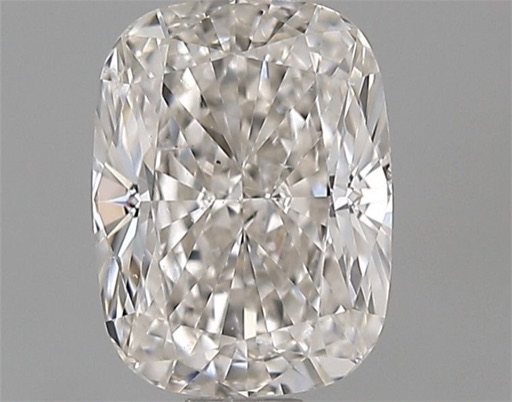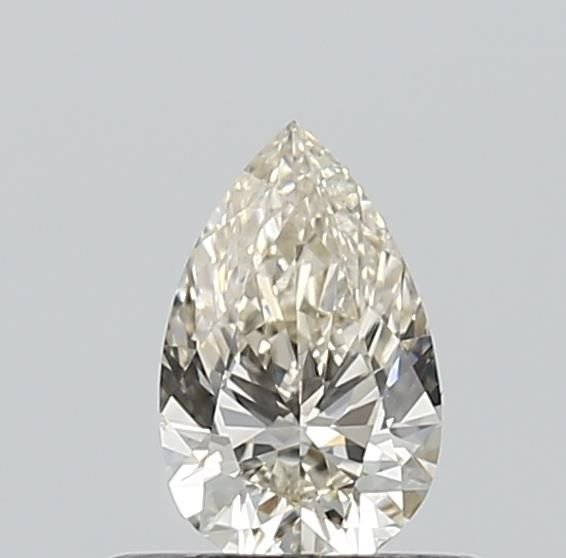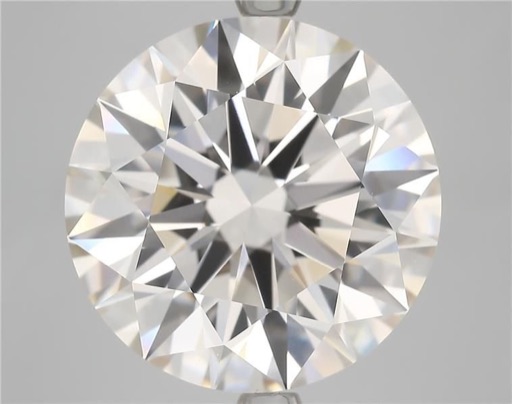
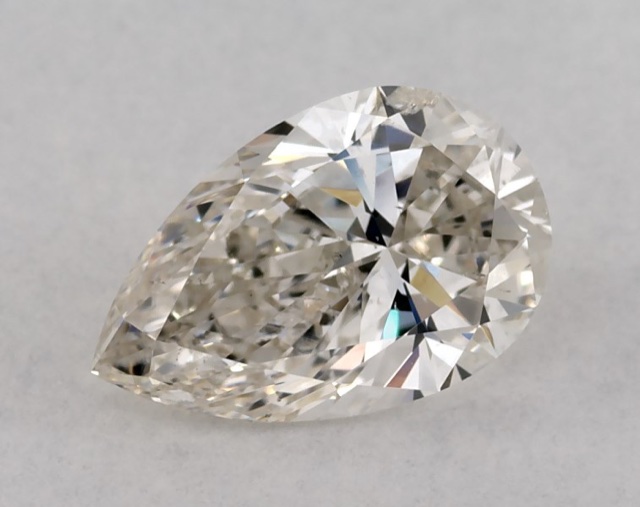
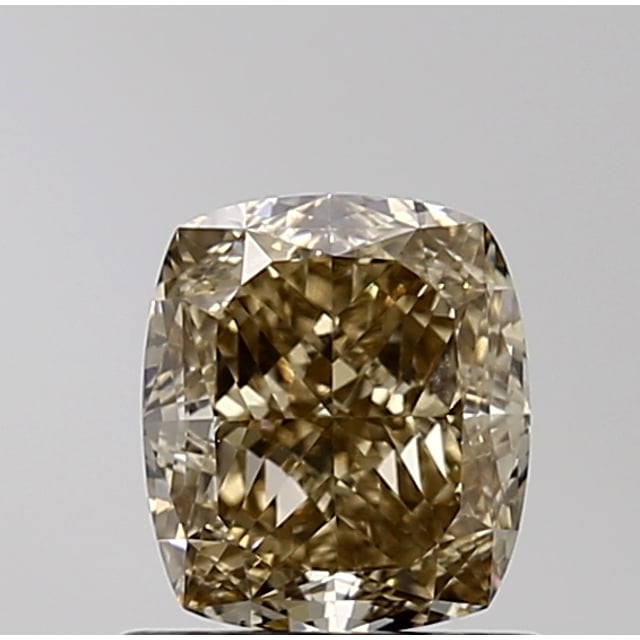
Every one of the nine retailers whose listings are indexed here publishes a return policy that covers a loose diamond, and at seven of them the window is 30 days. What differs is everything around that number: the event the clock starts from, whether the stone has to be back inside the window or only sent inside it, who pays for insured shipping, and whether a loose stone is on the same terms as a finished ring. On a champagne diamond those details carry more weight than they do on a colorless stone, because the tint is the product and no photograph settles it. The return window is the only period in which you see the stone in your own light, on the hand it is going on.
champ. holds no inventory and sells nothing. It reads the GIA report behind each listing, records the color wording, collapses the same physical stone into one card when several retailers hold it, and links out to the retailer, which is where the purchase and its terms sit. It does not set, administer or guarantee any retailer's policy.
Each policy below was read from the retailer's own published page on 26 October 2026. Six of the nine pages — Blue Nile, Brilliant Earth, Rare Carat, LEIBISH, Luvansh and Aurélinne — were read directly. Three block automated retrieval, so the clauses from Ritani, Brilliance and With Clarity were read through a search engine's copy of those same pages and should be confirmed with the retailer before you rely on them. All nine are published consumer policies, not an account of how any return was handled, and all can change without notice.
Why the window matters more on a warm stone
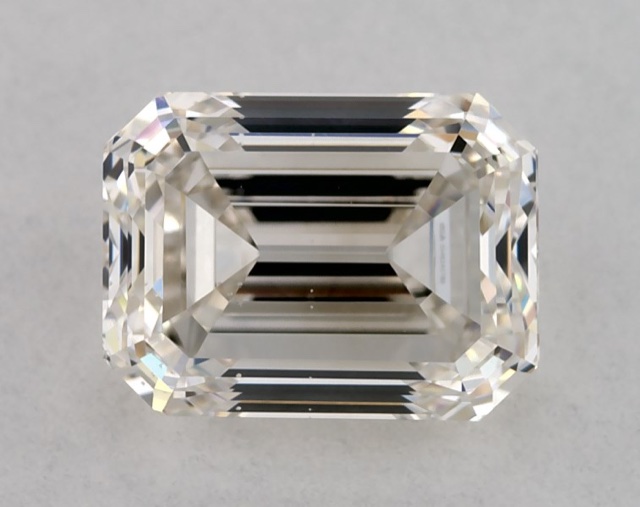
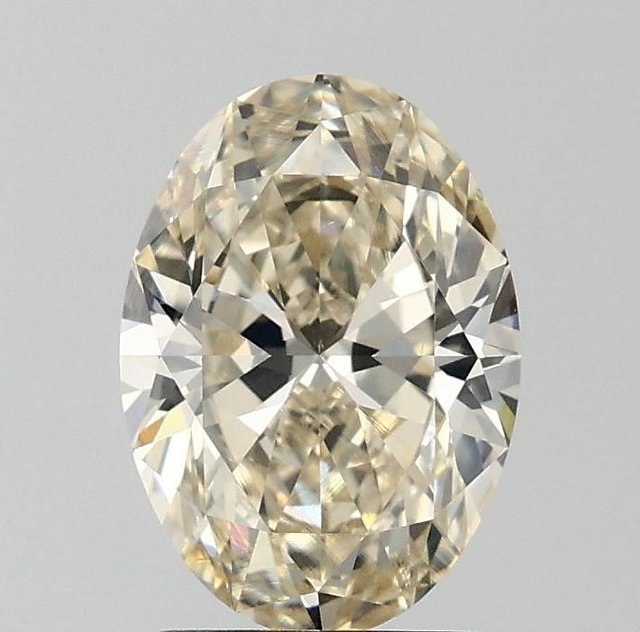
A color grade is settled by the laboratory and does not change. Your reaction to it is not settled by anything until the stone is in front of you. A Faint Brown K photographs as a warm near-white under one lighting setup and as plainly brown under another, which is the subject of what a champagne diamond looks like, and the metal it is eventually set in moves the apparent tint again. Nothing in a listing resolves that, so the days after delivery are where the decision on a Faint Brown stone actually gets made.
That is also why the condition clauses matter. A stone that has been set into a ring has usually left the window: Brilliance states that a certified diamond bought loose cannot be set and then returned, and resized or modified items are excluded at Blue Nile, Brilliant Earth, Rare Carat and Luvansh. Judging the tint loose, before any setting work, is the part the policy protects. Loose stone or finished ring covers what each route lets you check.
What the nine retailers publish
Read on 26 October 2026. Windows are those published for a loose diamond bought in the United States:
| Retailer | Window | Measured from | Return shipping | Published conditions to note |
|---|---|---|---|---|
| Aurélinne | 30 days | Delivery | Labels provided | Must be received back inside the window; one free stone return per rolling 60 days, then $50 per stone; Ring Builder rings final sale |
| Blue Nile | 30 days | Shipment | Two free returns per customer per year | Engraved, personalized, custom, resized, clearance and final-sale items excluded |
| Brilliance | 30 days | Shipment | Buyer pays, insured | Must arrive back inside the window; a loose certified diamond that has been set cannot be returned; certificate required |
| Brilliant Earth | 30 days | Available for shipment or pickup | Covered both ways | Engraved, personalized, custom and resized items excluded; upgrade-program purchases final sale |
| LEIBISH | 30 days | Receipt | Free for US customers | Certificates must come back; service fee from $150 without them; custom orders non-refundable |
| Luvansh | Per listing | Not stated on the policy page | Free where the item qualifies | Each stone is marked returnable or final sale in the product details; certification must be returned |
| Rare Carat | 30 days | Shipment | Free insured label, no restocking fee | FedEx scan required inside the window; $250 fee if the certificate is lost; resized items excluded |
| Ritani | 15 days for loose diamonds | Delivery | Not stated in the terms read | Terms of sale give engagement rings, jewelry and wedding rings 30 days; Ritani's diamond pages describe 30 days on all diamond purchases, so confirm the loose-stone window |
| With Clarity | 30 calendar days | Receipt | Not stated on the pages read | Multiple loose diamonds in one order not eligible; one loose-stone or ring order at a time; stones above 1.99 ct subject to GIA re-verification |
The clock does not start on the same day
Three different starting events sit in that table. Blue Nile and Rare Carat run from the shipment date, Brilliant Earth from the point an order is available for shipment or pickup, and Aurélinne, LEIBISH and With Clarity from delivery or receipt. A stone that spends four days in transit therefore arrives with four days already gone at one retailer and a full window at another.
What has to happen before the window closes differs too. Aurélinne requires the stone to be received back inside the 30 days, Brilliance that the return arrive at its office inside them, and Rare Carat that the package be scanned by FedEx before they are up. Posting on day 29 satisfies one and fails the others. Outside the United States the window itself can be shorter — Aurélinne publishes 15 days for international loose-stone returns, postmarked inside the period.
A loose stone is not always on the ring's terms
Four of the nine treat a loose diamond as its own category. Ritani's terms of sale are the clearest case: returns are allowed within thirty days of delivery for engagement rings, jewelry and wedding rings, or "within fifteen (15) days of delivery for loose diamonds and loose lab diamonds". Ritani's own diamond pages describe a 30-day window on all diamond purchases, so the two readings disagree and the shorter one sits in the terms of sale. Ask for the loose-stone window in writing.
Luvansh sets eligibility stone by stone: "You can find whether a product is eligible for return, exchange, or cancellation in the product details at the time of purchase," with discounted and special inventory marked final sale. With Clarity's published policy excludes orders containing more than one loose diamond and limits a buyer to one loose-stone or ring order at a time; its policy and terms pages also differ on how many returns are allowed, which is another thing to settle before paying. Aurélinne allows "One complimentary stone return is allowed within any rolling 60-day period" and charges $50 per stone after that.
The report has to come back with the stone
On these diamonds the GIA grading report is the product description — the color line is the only place the brown wording lives, as how we verify every stone sets out. Retailers price its absence accordingly. Rare Carat deducts $250 for a lost certificate, and LEIBISH states that "Items returned without the original certificate(s) will be charged a service fee. Fees start at $150". Brilliance treats a missing certificate as voiding the return outright. Every policy read here wants the stone back in original condition with its documentation, so keep the report and the packaging together until you are certain.
What our index shows — data snapshot 2026-10-25, counted 26 October 2026
2,782 unique verified natural brown diamonds, deduplicated by GIA report number, across 4,957 retailer listings at nine retailers, with 1,143 of those stones listed at more than one retailer. By GIA wording: 2,218 Faint Brown, 135 Very Light Brown, 18 Light Brown, 358 Fancy Brown, 53 Fancy Light Brown. Median asking price $1,372, range $91 to $240,446. 2,379 stones sit below their matched near-colorless G–H benchmark, at a median discount of 44%. Loose-stone asking prices on one snapshot, not records of completed sales, and separate from finished-ring prices.
One stone, two retailers, two sets of terms
This is where the comparison on this site meets the policy pages. On the 2026-10-25 snapshot, 1,143 of the 2,782 stones indexed here were listed by more than one retailer, so for those stones the diamond is held fixed by its report number and the seller is the only variable — in price, which why the same champagne diamond costs different amounts takes up, and in terms, which the retailer sets.
A cheaper listing can carry insured return shipping at the buyer's cost where the dearer one covers it, or a window measured from shipment where the other runs from delivery. Both sit on pages most shoppers read after choosing rather than before. The method behind the price comparison itself is on the prices page.
Before you buy
Three checks cover most of it. Confirm the window for a loose stone specifically, not the banner figure, and whether the stone must be sent or received inside it. Confirm the stone you are looking at is returnable at all, since Luvansh marks that per listing and several retailers exclude upgrade purchases. And confirm who pays for insured return shipping, which on a four-figure stone is not trivial.
Where to find the listings in the first place is in where to buy champagne diamonds; finished rings from independent jewelers, which carry their own makers' terms, are in the rings section.