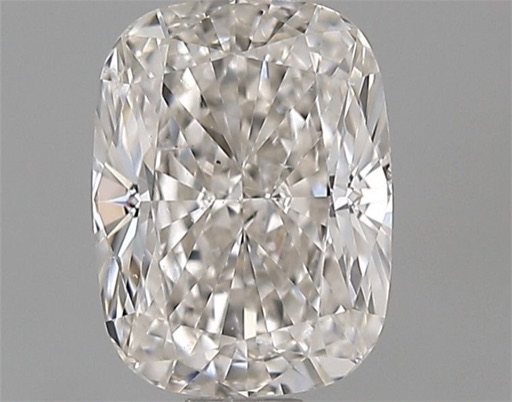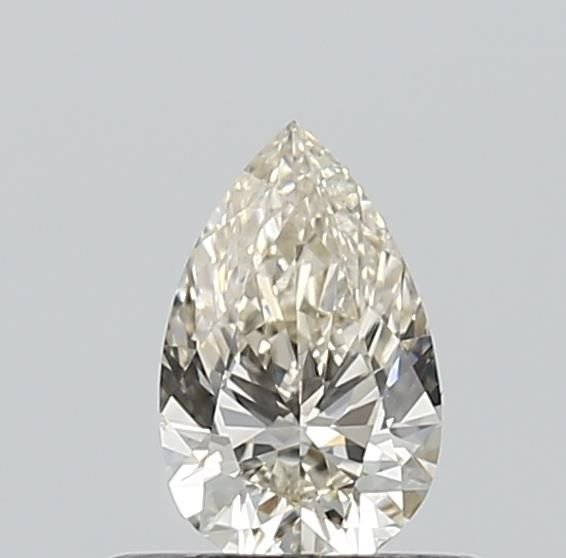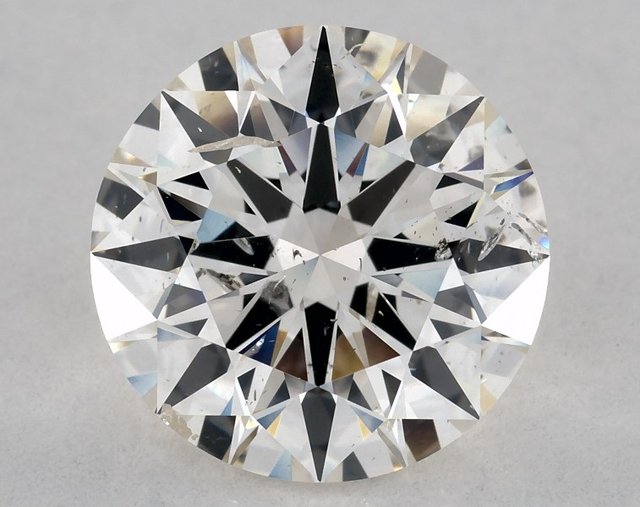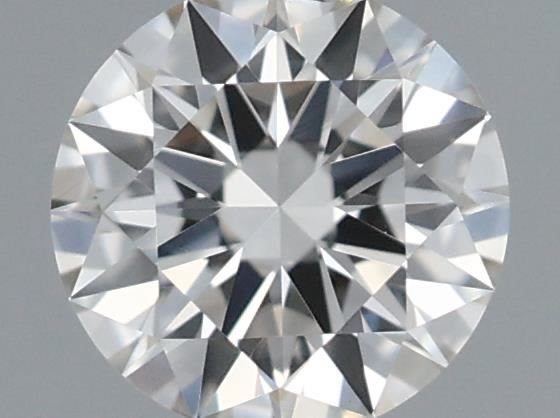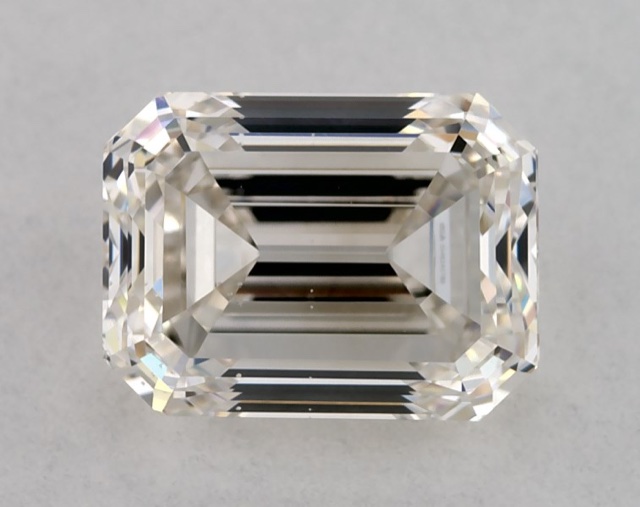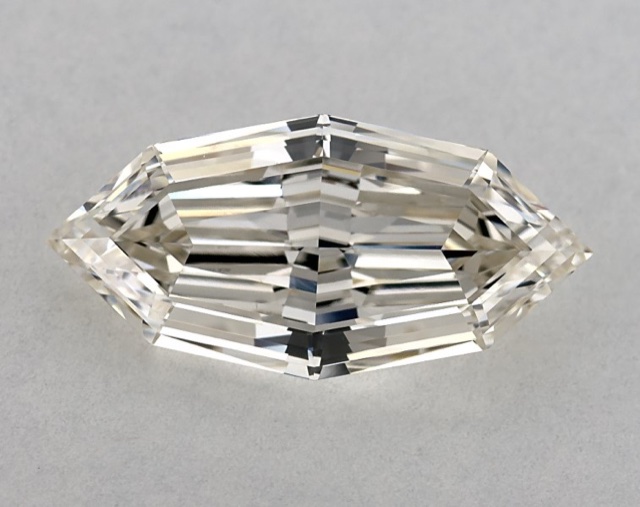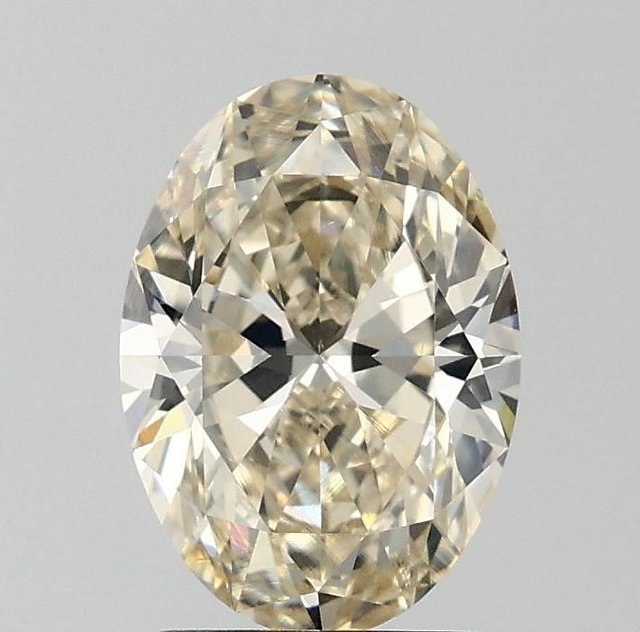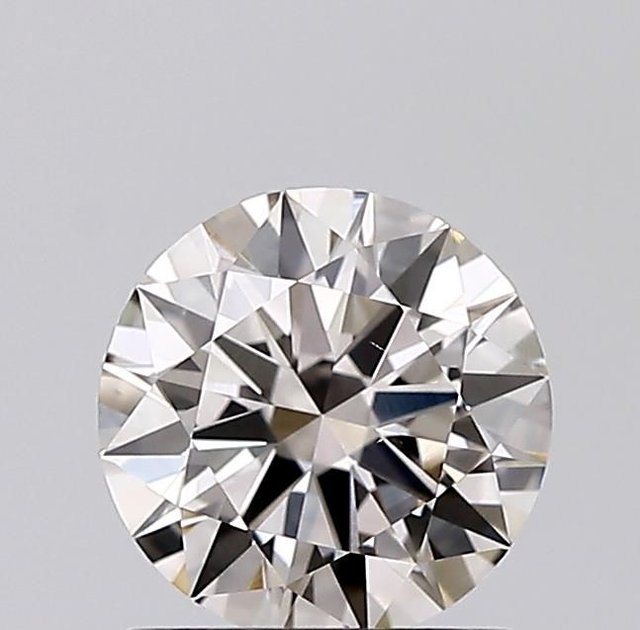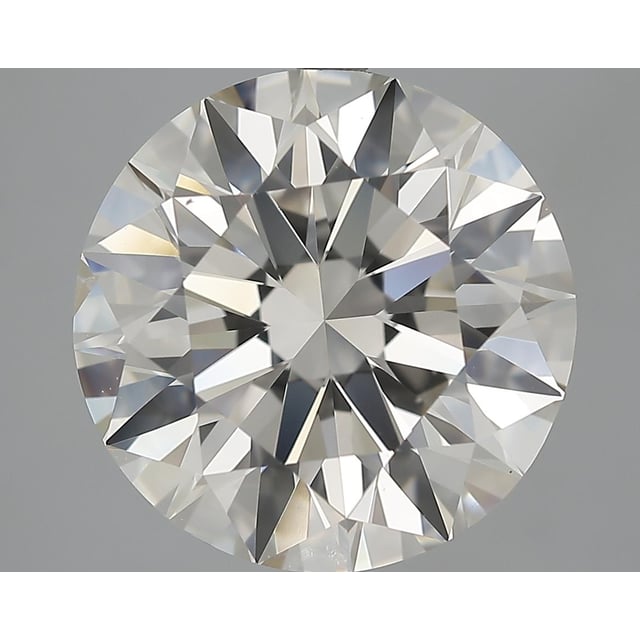
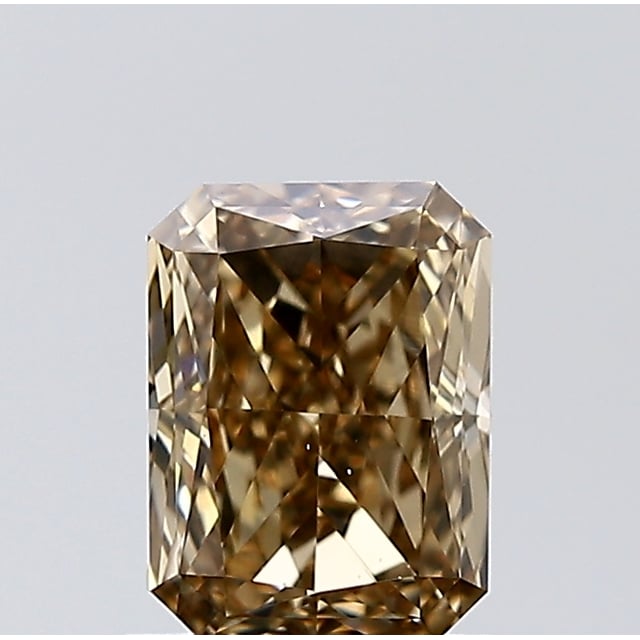
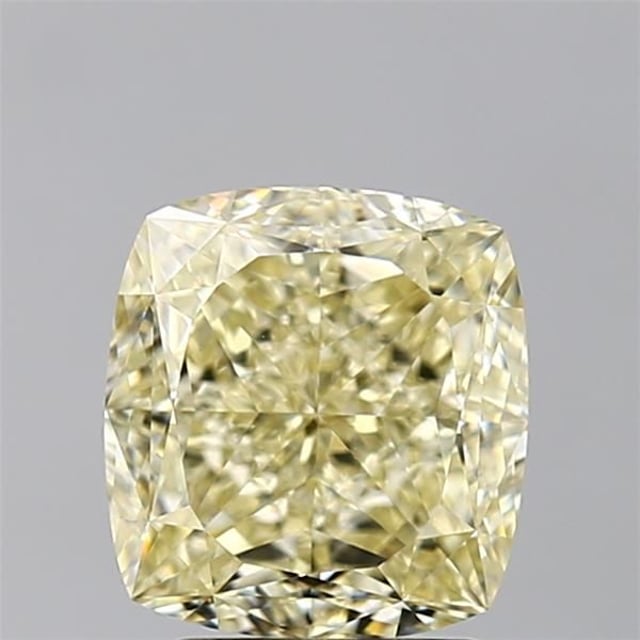
A champagne diamond and a faintly yellow diamond can carry the same GIA color letter, and the report prints a hue word for only one of them. That asymmetry is the price story. Yellow is the hue the D-to-Z scale leaves unwritten, so a yellow-tinted K is listed simply as a K; where the tint reads brown, GIA appends the hue after the letter, and the stone is sold as a different product. Across the eleven matched color-and-carat cells of the 2 September 2026 study on this index, stones whose reports carry a brown notation ran a median 20 percent cheaper per carat than stones of the same letter and carat band with no notation. Push either tint past Z and the logic inverts: both become fancy-color diamonds, graded for the presence of color rather than its absence — a system that can price warmth as a premium instead of a discount.
One scale, three hues
GIA's standard scale measures how little color is left in a diamond, and it does not single out yellow. In GIA's own words, checked on 19 October 2026, "The normal color range goes from D for colorless to Z for light yellow, light brown, or light gray." Grading happens against masterstones under controlled lighting, not in a ring.
So the letter answers one question — how much tint — and a second question is left over: which tint. That is what the hue word answers, and GIA prints it where a brown component is present. A yellow-tinted stone in the same band is described by the letter alone. Among the reports read for this index the brown notation never appears above K: by letter the white-scale stones run 1,176 K, 518 L, 227 M and 133 N, which is the range K, L, M and N color diamonds covers letter by letter, before any notation is added.
The practical consequence is that two stones sitting in the same filter bucket on a retailer's site are not the same proposition. One is a faintly yellow K. The other is a K whose report reads Faint Brown, and the only place that word exists is the grading report — the whole subject of what Faint Brown means. You can browse the ones found that way as Faint Brown and Very Light Brown.
Where each tint leaves the letter scale
Both hues run out of letters eventually, and GIA is explicit about where. Its colored-diamond buyer's guide states that "Diamonds with deeper shades of yellow (more color than Z) are graded differently and given a fancy-color grade." Its yellow diamond guide puts the same boundary from the other side: "Yellow diamonds typically begin at Fancy Light, since paler yellows below this range are graded on the D-to-Z scale used for near-colorless diamonds."
What changes at that line is the question being asked. GIA sets the two systems against each other directly: D-to-Z is "based on the relative absence of color", while colored-diamond grading is "based on the presence of color", assembled from hue, tone and saturation. One scale ranks a stone down for tint; the other ranks it up.
A trap sits in the vocabulary. GIA lists its colored-diamond grades in order of increasing color strength as "Faint, Very Light, Light, Fancy Light and Fancy to Fancy Intense, Fancy Vivid, Fancy Dark and Fancy Deep" — and the first three of those words are the same words that appear as brown hue notations beside a letter grade. A stone graded Light Brown and a stone graded Fancy Light Brown are two different grades from two different systems, which is why champagne vs fancy brown separates them before comparing any prices.
Which warmth the market charges for
On rarity GIA is blunt: "Brown is the most common fancy diamond color", and "Yellow is diamond's second most common fancy color." The research goes further. The Winter 2018 Gems & Gemology study of brown and pink diamonds notes, citing earlier literature rather than its own testing, that a brownish tinge is reportedly observed in 98 percent of all as-mined diamonds, gem-quality or not. Of the 90,000-plus natural diamonds in GIA's own database that the authors examined, recorded between January 2008 and December 2016, only 3 percent were unmodified brown — because brown stones are rarely submitted for a colored-diamond report unless they carry an additional color or can take a D-to-Z grade instead.
That is why the champagne market lives mostly on the letter scale rather than the fancy one. Of the 2,609 stones indexed here, 2,215 are white-scale stones with a brown notation beside a letter and 394 are fancy-scale stones with no letter at all.
Yellow is not expensive within fancy color either — GIA's 4Cs guide calls yellow diamonds "the most affordable of all the fancy color diamond varieties", and notes that retailers often market them as canary diamonds, a trade name rather than report wording. But affordable within fancy color is a different thing from discounted. Fancy color is often a premium, and this index measures that directly: a fancy-scale stone is admitted only when it costs less per carat than the median untinted D-to-Z stone of its carat band, and on the 3 September 2026 merge 509 fancy-color stones were read and rejected for failing that one test.
Reading a grade that has both words in it
Where the two hues meet, word order settles everything. GIA names the dominant hue last; its Winter 2018 research defines the dominant hue as "the final name in the color description". A Fancy Yellow Brown diamond is therefore a brown diamond carrying yellow, and a Fancy Brownish Yellow diamond is a yellow diamond carrying brown. Swap the words and you have swapped the product, the scale it is priced on, and usually the price.
On the 3 September 2026 merge the most common full grades among the fancy-scale stones here were Fancy Yellow Brown at 126 stones, Fancy Yellowish Brown at 79, unmodified Fancy Brown at 26 and Fancy Light Yellowish Brown at 23. Most of the fancy-scale stones indexed carry yellow somewhere in the grade — always as the modifier, never as the dominant color, because of how this index is built. The same merge rejected 628 fancy-color stones for not being brown-dominant.
What our index shows — data snapshot 2026-10-18, counted 19 October 2026
2,839 unique verified natural brown diamonds, deduplicated by GIA report number, across 5,130 retailer listings at nine retailers, with 1,199 of those stones listed at more than one retailer. By GIA wording: 2,286 Faint Brown, 134 Very Light Brown, 18 Light Brown, 349 Fancy Brown, 52 Fancy Light Brown. Median asking price $1,393, range $91 to $224,546. 2,449 stones are listed below their matched near-colorless G–H benchmark, at a median discount of 44%. Loose-stone asking prices on one snapshot, not records of completed sales.
What this index holds, and what it does not
champ. holds no inventory and indexes brown-dominant natural stones only, so a yellow-dominant diamond is outside it however warm it looks. This is not the place to price a canary against a champagne. What it does hold is every brown stone it could verify from the report, compared two ways: against other listings of the identical stone where more than one retailer carries it, and against a matched G–H near-colorless comparator of the same shape, the same clarity with no widening to an adjacent grade, the same cut tier, and a carat weight inside a window drawn so it never crosses a trade threshold — taken at the lower quartile of those matched prices per carat. That method is on the prices page and in how our price benchmark works.
Choosing between the two
If what you want is warmth that reads as a chosen color, the fancy scale is where either hue is graded as one, and Fancy Brown and Fancy Light Brown are where that sits here. If what you want is a near-colorless face at a lower price, the lettered brown notation is the cheaper of the two warm tints at any given letter, and the discount is measurable rather than asserted.
Shape then decides how much of either hue you see, and GIA says so on the yellow side: "When carefully fashioned as radiant cuts, many yellow-tinted stones—at one time called 'cape' by the trade—can become fancy yellows when viewed face up. This perceived improvement in color increases the price per carat." Read in reverse, that is the brown decision too: a cut that concentrates body color makes the tint more obvious. The radiant listings and choosing a radiant cut champagne diamond work through it, and the cape label has its own history, traced in the same diamond, renamed four times.
Two checks cover the rest. Confirm the report number resolves and read the color line yourself, because on these stones that line is the product description. Then note which scale it comes from: a letter with a hue word after it, or a fancy grade whose last word tells you what the diamond actually is.