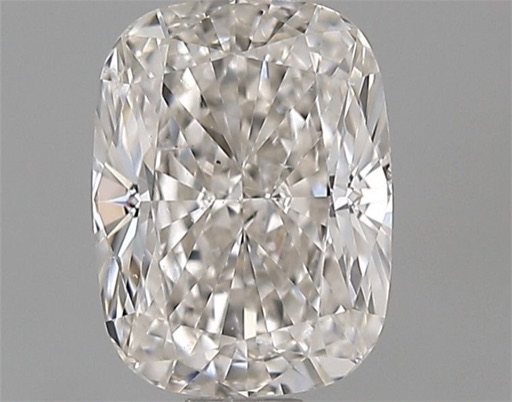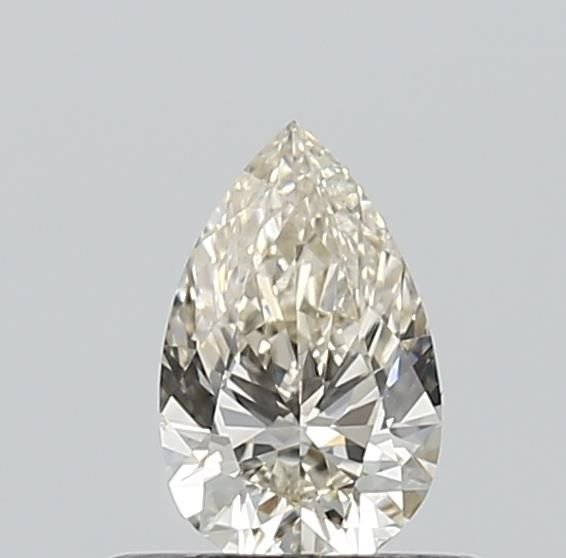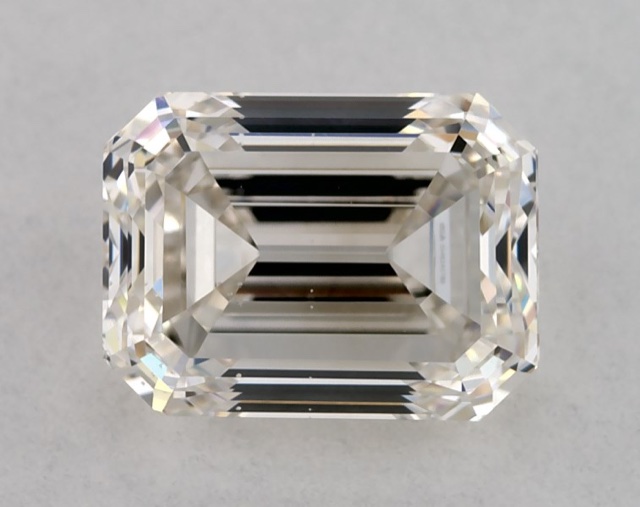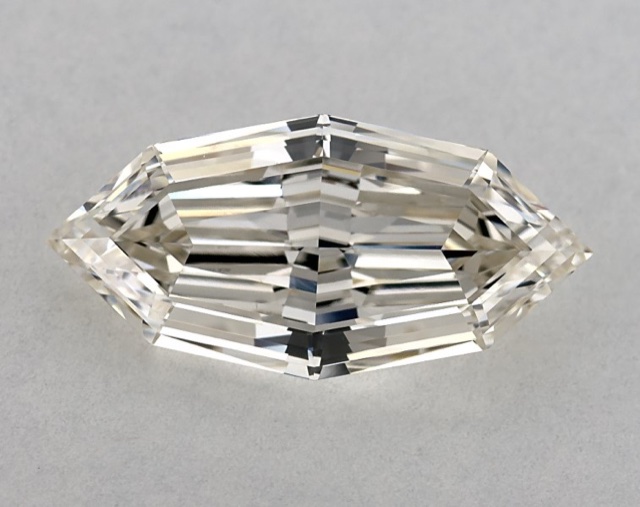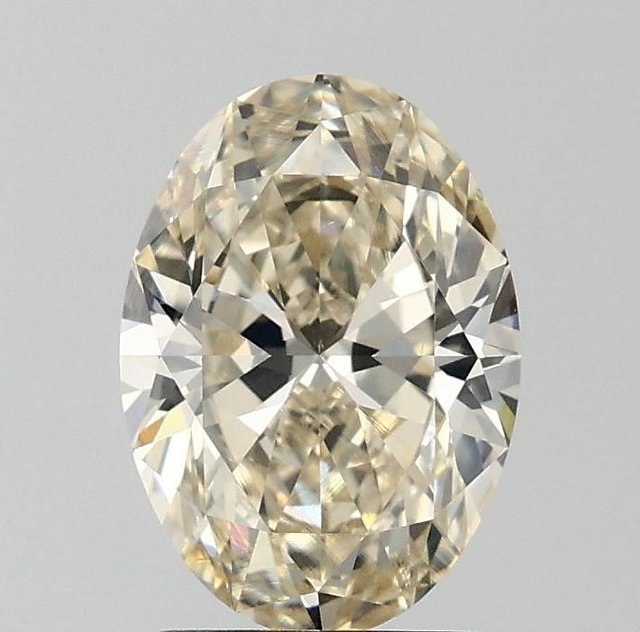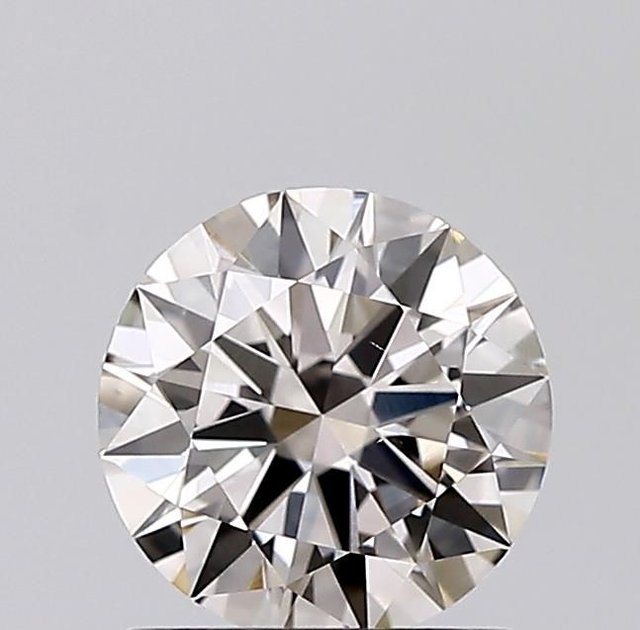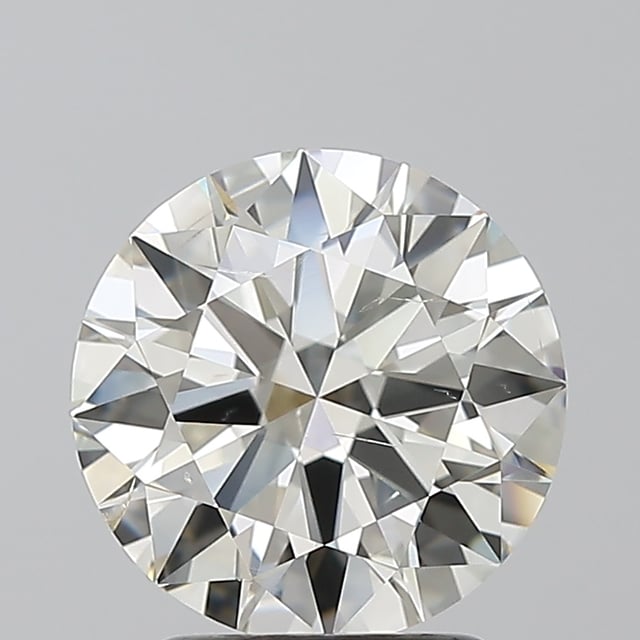
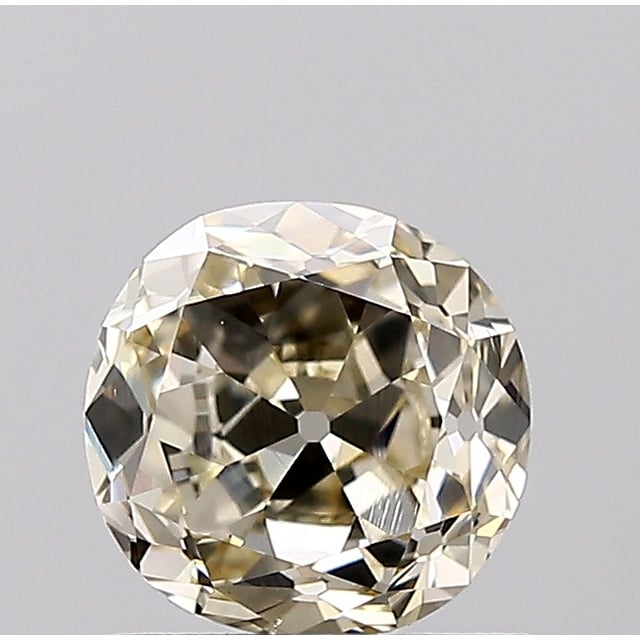
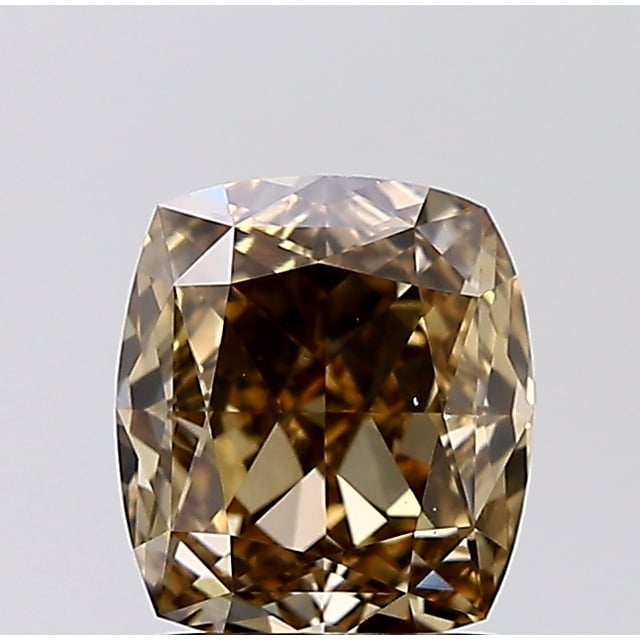
A natural champagne diamond can be traded in toward a larger stone at six of the nine retailers whose listings are indexed here, on the terms each published on 30 October 2026. Whether a particular stone qualifies is settled by one line of fine print rather than by the headline, because three of those six draw a color boundary that runs straight through this inventory: Rare Carat's guidelines admit "Only diamonds with a D-K color grade are eligible", and Blue Nile and Brilliant Earth exclude colored diamonds by name. Which side of it a champagne diamond lands on depends on which of GIA's two color scales its report uses, then on a single letter.
Selling one back for money is narrower again. One of the nine publishes a buyback with terms — Ritani Reclaim — and it starts at one carat, above where much of this market sits. Blue Nile publishes that it has none, Luvansh that it runs no upgrade program, and LEIBISH and Aurélinne address neither subject.
champ. holds no inventory and sells nothing. It reads the GIA report behind each listing, collapses the same physical stone into one card when several retailers hold it, and links out to the retailer — where an upgrade program, like the price, belongs to the seller rather than to the diamond. champ. administers no retailer's program.
Each term below was read from the retailer's own pages on 30 October 2026, six of them directly. Brilliance, Ritani and With Clarity block automated retrieval, so their clauses were read through a search engine's copy of those pages and are worth confirming first. All are published consumer policies, not an account of how any trade-in was handled, and all can change.
What the nine publish
| Retailer | Stones eligible | New stone must cost | Limits that matter here |
|---|---|---|---|
| Aurélinne | None published | — | — |
| Blue Nile | IGI- or GIA-graded, bought from Blue Nile | 2× the original | Colorless only, colored ineligible; natural for natural; US only |
| Brilliance | Certified natural loose, bought from Brilliance | 2× the original | Original must have cost $15,000 or less; a restocking fee applies |
| Brilliant Earth | Any loose natural, bought from Brilliant Earth | 1.5× the original | No colored gemstones, including colored natural diamonds; US and Canada |
| LEIBISH | None published | — | — |
| Luvansh | States it offers none | — | — |
| Rare Carat | Natural GIA, bought after 6 February 2022 | 3× the original | D-to-K color grades only; US only |
| Ritani | Natural GIA or AGSL, bought after 11 October 2012 | 3.5× the original | Report must come back reusable; US only |
| With Clarity | Exists; terms not on the page read | Not published there | Upgrade purchases are final |
Credit is store credit in every published case, capped at what the stone originally cost. Four of the six publish that an upgrade purchase is final, With Clarity's own policies page among them: "Diamond upgrades are not eligible for return or exchange." Rare Carat publishes instead that an upgrade diamond may not be returned for credit but can be exchanged within 30 days. Either way that is narrower than the ordinary window these sellers advertise, set out in returning a champagne diamond.
The color line is where these programs decide
GIA grades warm stones on two separate systems, and that split is the whole of this question: "GIA's D-to-Z color grading system is based on the relative absence of color. GIA's Fancy colored diamond color grading is based on the presence of color." A report reading K, Faint Brown is a D-to-Z stone with a hue notation beside an ordinary letter. A stone graded Fancy Brown carries no letter at all and is, in GIA's terms, a colored diamond.
Two programs are written against that word. Brilliant Earth publishes that "Upgrades are not available for colored gemstones, including colored natural and lab diamonds, settings, or jewelry." Blue Nile's eligibility sentence reads "All IGI- and GIA-graded colorless diamonds purchased from Blue Nile are eligible. All other diamonds, including colored diamonds, are ineligible." For a fancy-scale stone that is not in doubt: Fancy Brown and Fancy Light Brown are named out.
On the white-scale side Blue Nile's wording does not settle itself. GIA's band names put D to F in the colorless range and K to M in the faint range, so a K stone read strictly is not colorless, while read as the trade uses the word it is a white-scale stone rather than a colored one. The sentence supports both readings, which makes it something to get in writing before buying. Rare Carat removes the ambiguity by naming a letter instead.
What our index shows — data snapshot 2026-10-29, counted 30 October 2026
2,715 unique verified natural brown diamonds, deduplicated by GIA report number, across 4,854 retailer listings at nine retailers, 1,123 of them listed at more than one. By GIA wording: 2,175 Faint Brown, 136 Very Light Brown, 18 Light Brown, 334 Fancy Brown, 52 Fancy Light Brown. Median asking price $1,372, range $91 to $224,546. 2,335 stones sit below their matched near-colorless G–H benchmark, at a median discount of 45%. Asking prices on one snapshot, not completed sales, and separate from any trade-in credit.
Set those rules against the index. Of the 2,715 stones on that snapshot, 2,329 are white-scale and 386 are fancy-scale — excluded wherever a program says colored diamond. GIA prints Very Light Brown beside letters N and below, and Light Brown lower still, so another 154 stones sit under a D-to-K floor on arithmetic alone. That leaves the 2,175 Faint Brown stones, which carry K, L or M: only the K ones clear a D-to-K rule, and this snapshot's published figures do not split them by letter. What what faint brown means treats as a pricing matter is here a question of eligibility.
What the multiple costs
Every published program is a trade up rather than an exchange. The replacement has to cost a stated multiple of the original: 1.5 times at Brilliant Earth, twice at Blue Nile and Brilliance, three times at Rare Carat, and 3.5 times at Ritani, which raised its threshold from 2.5 times on 14 November 2024. Against the index median asking price of $1,372 on the 2026-10-29 snapshot, the next purchase starts at $2,058 on the lowest multiple and $4,802 on the highest, with the first stone's price returning as credit rather than as money.
Two further conditions narrow it. Brilliance admits only stones whose original purchase price was $15,000 or less, and deducts a restocking fee from the credit. Every published program wants the original grading report back in reusable condition, and Blue Nile and Ritani both publish that fees may apply for a damaged or missing one — worth knowing on a stone whose report is the product description, as which laboratory graded yours sets out.
Selling rather than trading up
Ritani Reclaim is the only published buyback among the nine, and it takes stones bought anywhere, not only from Ritani. Its stated floor is "At this time, we only accept diamonds that are at least 1 carat." GIA or AGSL grading is required, lab-grown stones are excluded, payment is cash or Ritani credit within seven business days, and a declined stone is mailed back free. Brilliance publishes that its gemologists will quote on any certified loose diamond wherever it was bought — a quote, not a program with terms.
That floor is the binding one here. With a median asking price of $1,372 on the snapshot date, much of this market sits below a carat, and the under 1 carat and 1 carat collections split it on that line. Elsewhere the answer is plainer: Blue Nile's FAQ states that "Blue Nile doesn't offer a jewelry buyback program", and Luvansh answers with "No, we do not offer a diamond upgrade program."
None of this turns a grading report into a valuation. GIA is explicit that a report "does not indicate a diamond's monetary value", and that an appraisal is the document estimating worth. An upgrade credit is a retailer's commercial promise, set by what you paid rather than by what the stone would fetch later.
Settle it before you buy
An upgrade program follows the seller, not the stone, which makes it part of a price comparison rather than a footnote. On the 2026-10-29 snapshot, 1,123 of the 2,715 stones here were listed by more than one retailer at once — the same GIA report number, the same diamond, different trade-in terms on either side. Where that is true the terms belong beside the asking price, which why the same champagne diamond costs different amounts and the prices page take up.
Three checks cover the rest. Confirm in writing that your color letter clears the published floor, since K, L and M are all Faint Brown and only the K stones clear a D-to-K rule. Confirm whether the seller treats your stone as a colored diamond, which the white-scale and fancy-scale split decides and champagne vs fancy brown sets out. And keep the grading report as it arrived, because every published program asks for it back.
Finished rings from independent jewelers carry their makers' own terms rather than any of the nine above, in the rings section.